Solar power is becoming a normal part of home life in Utah. More homeowners in Salt Lake City, Sandy, and nearby cities are switching every year. But going solar involves more than buying panels. It means understanding your roof, your utility rules, and the full installation process.
This guide walks you through what actually matters. No sales pitch. Just the real steps every Utah homeowner should know before signing anything.
Is Your Home Ready for Solar?
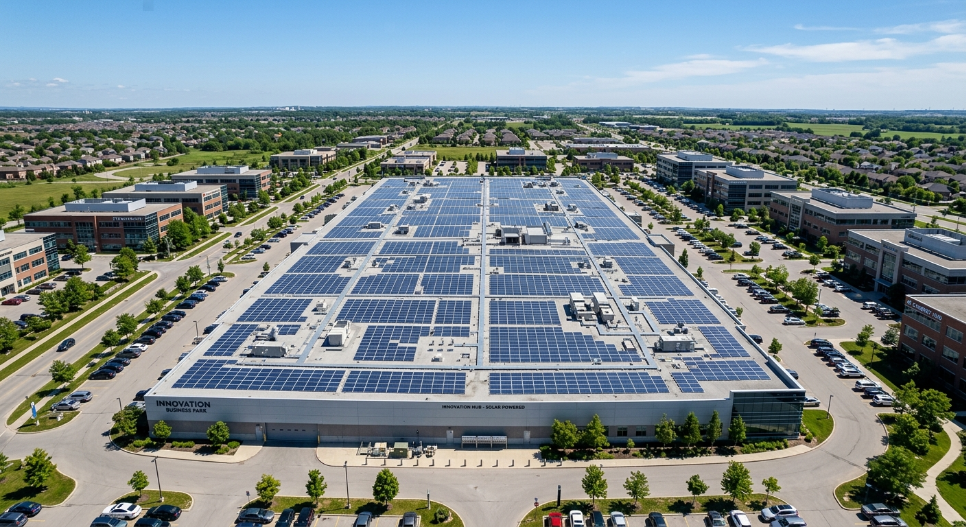
Not every roof is equal when it comes to solar. Three things matter most: direction, shading, and condition.
- South or southwest-facing roofs perform best
- Minimal shading from trees or nearby buildings is ideal
- Roofs older than 15 years may need repair first
- Flat roofs can still work with the right mounting design
Utah’s dry climate and strong sunlight help almost any well-placed system perform well. A quick roof check saves problems later.
Understanding Utah's Net Billing Rules
Utah homeowners used to enjoy full net metering. That changed in 2017. Rocky Mountain Power now uses a system called net billing instead.
Under net billing, exported solar power earns a credit. But that credit is lower than the retail rate you pay for grid electricity. Credits are also calculated instantly, not at the end of the month.
This changes the entire strategy. The old approach was to send extra power to the grid. The smarter approach today is self-consumption. Using more of your own solar power, instead of exporting it, protects your savings.
This is exactly why pairing solar with a battery has become the standard recommendation for new Utah installations, not just an optional add-on. Our full guide on solar batteries and microgrids explains how storage works alongside net billing.
Choosing the Right Solar Panels for Your Roof
Not all solar panels are built the same way. Each type suits different roofs and goals.
| Panel Type | Efficiency Range | Best For |
|---|---|---|
| Monocrystalline | 20%–22% | Small roofs, high performance |
| Polycrystalline | 16%–18% | Larger roofs, ample space |
| Thin-Film | 12%–15% | Flat roofs, unconventional surfaces |
Monocrystalline panels deliver the most power per square foot. Polycrystalline panels remain a practical, reliable option for bigger roofs. Thin-film panels suit unusual mounting situations, including some commercial applications.
Your installer should recommend a panel type based on your actual roof, not a generic package.
The Federal Solar Tax Credit Has Changed for 2026
Homeowners researching solar often assume the 30% federal tax credit still applies. It does not, for systems installed after 2025.
The residential credit, known as Section 25D, expired for customer-owned systems. Homeowners who purchase solar with cash or a loan in 2026 no longer receive this federal credit.
Third-party owned systems, such as leases and power purchase agreements, still connect to a separate federal credit. That credit applies to the leasing company, not the homeowner directly.
This is one of the biggest recent changes in residential solar. Ask any installer directly which incentives currently apply to your specific situation.
What a Professional Solar Audit Reveals
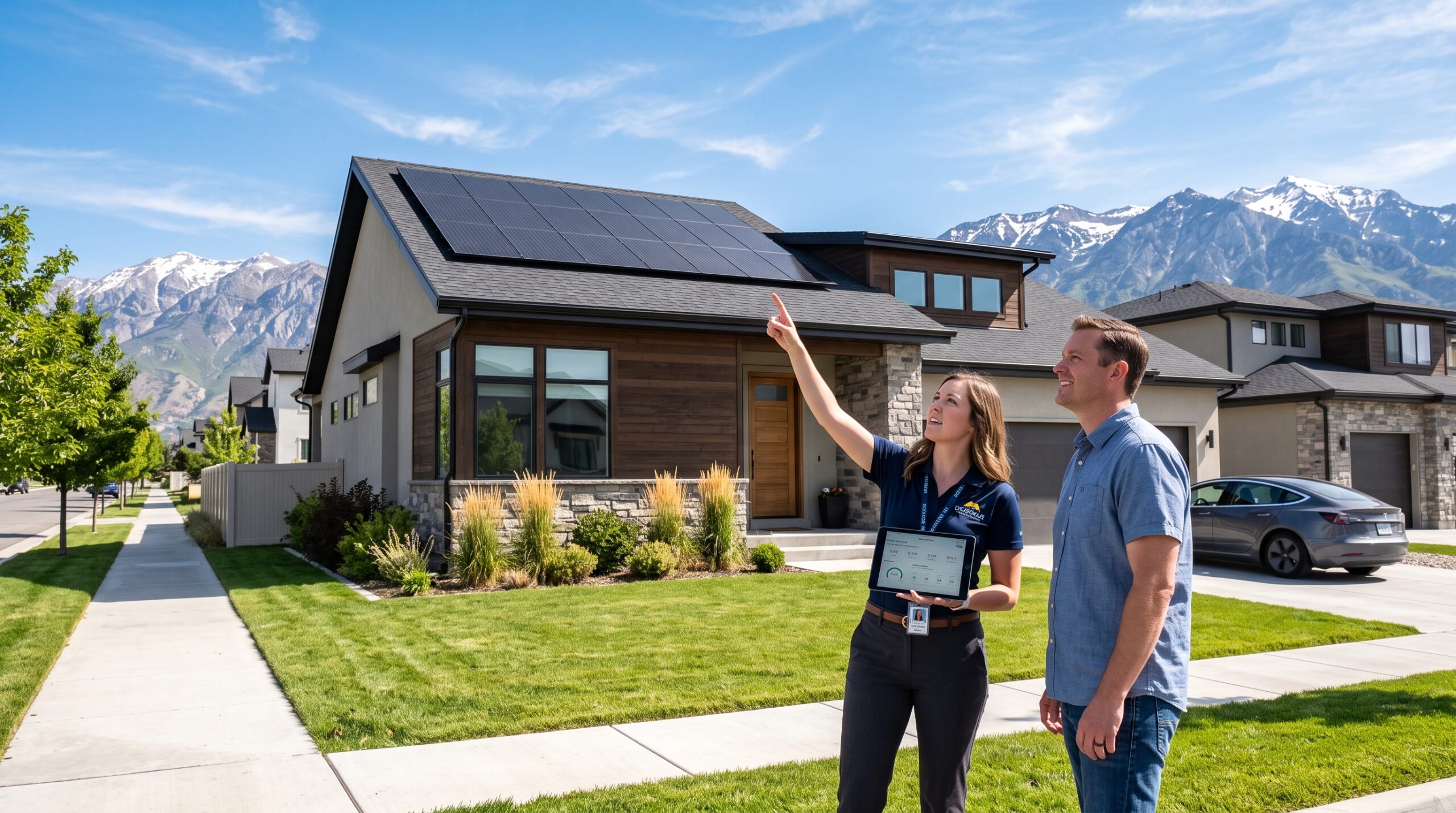
Before any installation begins, a proper energy audit matters. It shows your real usage patterns, not guesses.
An audit typically reviews your past electricity bills, your roof condition, and your home’s overall energy efficiency. This step also identifies whether upgrades, like insulation, should happen before installation.
Suncatcher Energy offers a solar energy audit as the starting point for every residential project.
This step prevents a common mistake. Homeowners sometimes install a system sized for the wrong usage pattern. An audit fixes that before it becomes expensive.
From Design to Activation: The Installation Process
Every solar project follows a similar sequence, regardless of home size.
- Site assessment and roof evaluation
- System design based on usage and roof layout
- Permit filing with the local building authority
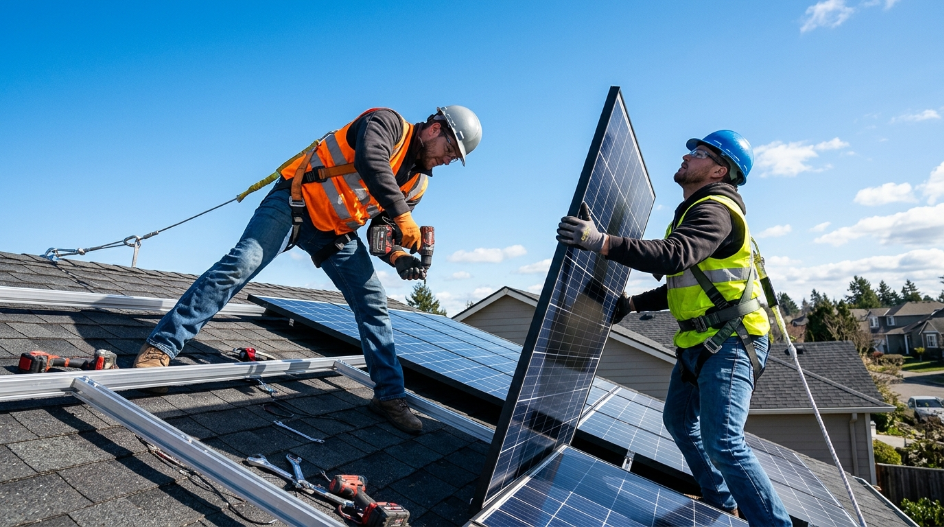
- Physical installation of panels, wiring, and inverter
- Utility interconnection and system activation
A qualified solar energy contractor manages every step, including the permit process most homeowners find confusing. The right team also handles grid connection paperwork with Rocky Mountain Power.
Homeowners exploring their equipment options can also review solar systems for sale before committing to a full design. Comparing options early helps set realistic expectations.
For a full walkthrough of what installation day looks like, see our dedicated page on solar system installation in Salt Lake City.
Keeping Your System Running: Maintenance and Repairs
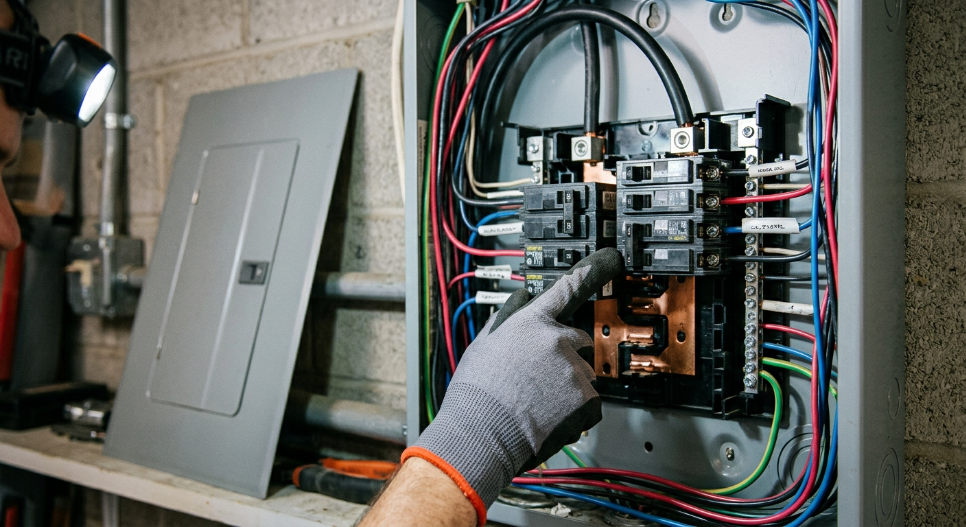
Solar systems are durable, but they are not maintenance-free. Inverters, wiring, and panel connections can develop issues over time.
Common warning signs include:
- Lower energy output than usual
- Error messages from the monitoring app
- Visible cracks or discoloration on panels
- Unusual noises near the inverter
Homeowners in West Jordan can rely on professional solar system repair for inverter faults and wiring issues. Nearby homeowners in Riverton have access to dedicated solar system repairs covering diagnostics and panel servicing.
Routine inspections every 6 to 12 months catch small problems early, before they affect your entire system’s performance.
Financing and Incentives Beyond the Federal Credit
Even with the federal residential credit gone, other paths to reduce your investment still exist.
Utility programs, state-level rules, and structured financing options remain available in Utah. These vary by household and system size, so a direct conversation with a solar provider is the most reliable next step.
Homeowners can review current solar system financing options and explore active incentives and rebates available in Utah today.
Incentive rules change often. What applied last year may not apply now. Always confirm current eligibility directly before making a decision.
Going solar in Utah today looks different than it did even a year ago. Net billing rules, tax credit changes, and equipment choices all affect your outcome. The right guidance makes the difference between a system that underperforms and one that works exactly as designed. For homeowners ready to take the next step, residential solar services are available across Salt Lake City, Sandy, and surrounding communities. Suncatcher Energy has helped homeowners throughout the area navigate every stage of this process, from the first roof assessment to full system activation.
Frequently Asked Questions
South or southwest orientation performs best, but east and west-facing roofs can still work with proper system design and panel placement.
No, not for homeowner-purchased systems. Section 25D expired at the end of 2025. Leased systems still connect to a separate commercial credit.
Most solar panels last 25 to 30 years with routine maintenance and periodic professional inspection.
Not required, but strongly recommended. Utah's net billing rules make self-consumption more valuable than exporting power to the grid.
A professional inspection every 6 to 12 months helps maintain performance and catches issues before they become costly.