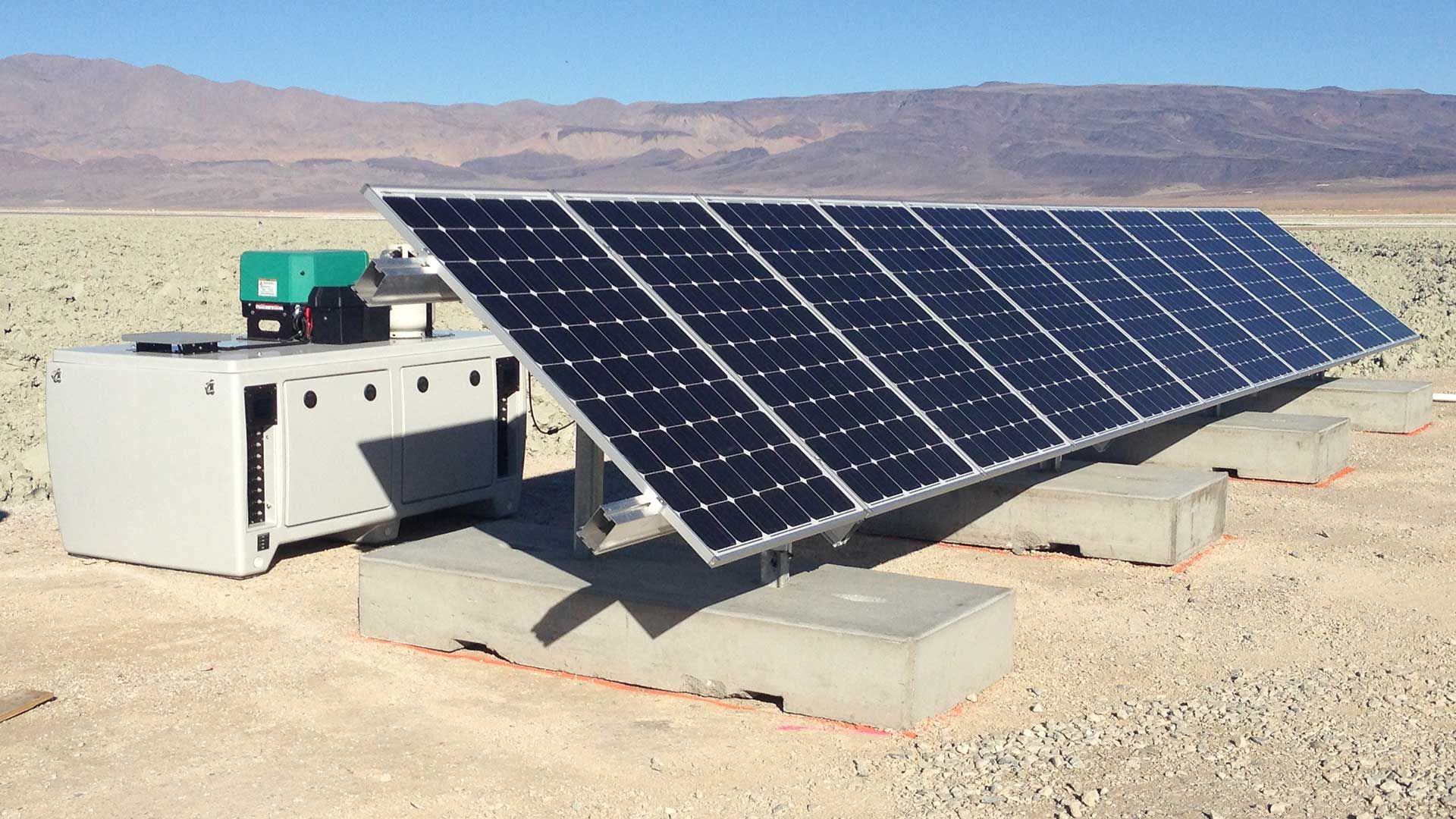
Solar panels are only part of the energy picture in Utah. Many homeowners assume panels alone will keep the lights on during an outage. That assumption is wrong. Without a battery, a grid-tied solar system shuts off the moment the power goes out. Understanding batteries, and how they differ from microgrids, helps you choose the right setup for your home.
Why Solar Panels Alone Don't Keep the Lights On During an Outage
This surprises most new solar owners. A standard grid-tied system automatically shuts down when the grid fails. This is a safety requirement, not a flaw.
Utility workers need to repair power lines safely. If your panels kept sending power backward during an outage, it could endanger those workers.
Without a battery and the right inverter, your solar system goes dark exactly when you need it most. Adding storage is the only way to keep power flowing during an outage.
Understanding Utah's Net Billing Rules
Utah homeowners used to send extra solar power to the grid and get a full credit back. That changed years ago.
Rocky Mountain Power now uses net billing instead of full net metering. Exported power earns a lower credit than the retail rate you pay. Credits are also calculated instantly, not once a month.
This makes self-consumption the smarter strategy today. Using your own solar power, instead of exporting it, protects more of your savings. Our guide on going solar in Utah covers this shift in full detail.
What a Solar Battery Actually Does
A solar battery solves a timing problem. Solar panels generate the most power midday. Most households use the most power in the evening.
A battery stores that midday surplus. It releases stored power later, when your home actually needs it. This reduces reliance on the grid during peak hours.
Batteries typically use lithium iron phosphate cells today. This chemistry is valued for safety and long cycle life. Most systems pair with a smart inverter that manages charging automatically.
Suncatcher Energy provides full solar energy storage batteries sized to match your home’s actual usage pattern.
Battery vs Microgrid: What's the Real Difference?
These two terms get confused constantly. They are not the same thing.
| Feature | Standalone Battery | Home Microgrid |
|---|---|---|
| Stores excess solar power | Yes | Yes |
| Can island from the grid | Sometimes | Yes |
| Uses a smart controller | No | Yes |
| Manages multiple energy sources | No | Yes |
| Optimizes usage automatically | Limited | Fully automated |
A standalone battery stores and releases power. A microgrid goes further. It uses an intelligent controller to manage solar, battery, and grid power together. It can disconnect, or island, from the grid entirely during an outage.
Think of a battery as storage. Think of a microgrid as the whole management system around it.
Signs You Might Need a Microgrid Instead of Just a Battery
Not every home needs a full microgrid. But certain situations call for one.
- Frequent power outages in your area
- Medical equipment that requires uninterrupted power
- A home office that cannot afford downtime
- Interest in eventually adding more energy sources
- A desire for complete control over energy flow
If any of these apply, a microgrid system likely makes more sense than a standalone battery alone.
The Rocky Mountain Power Wattsmart Battery Program
Utah homeowners with an approved battery may qualify for RMP’s Wattsmart Battery Program. This program allows the utility to draw on your battery during periods of high grid demand.
In exchange, participating homeowners receive ongoing account credits. The exact terms and eligibility depend on your battery model and installation date.
Full details are available on our dedicated RMP Wattsmart program page, including which battery brands currently qualify.
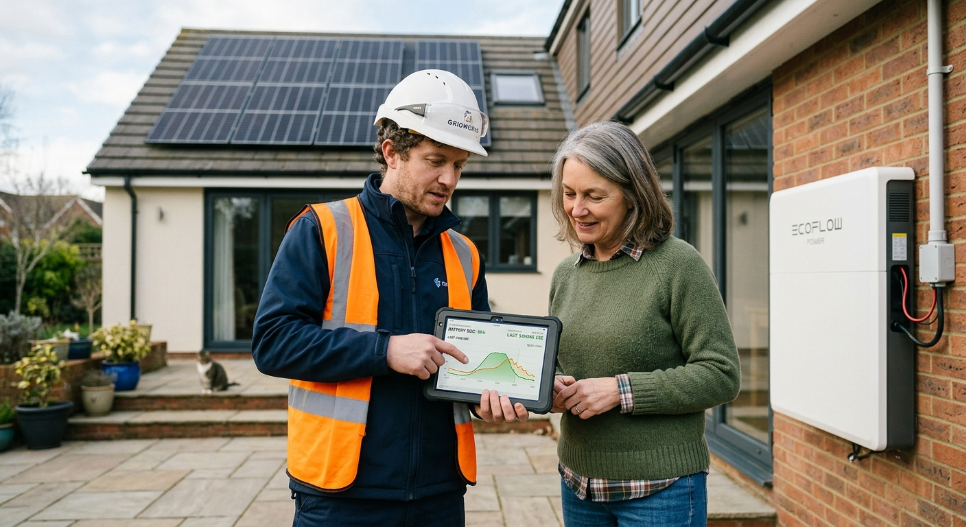
Choosing and Installing Your Storage System
Sizing a battery correctly matters more than most homeowners realize. Too small, and it empties before your peak usage hours end. Too large, and you pay for capacity you rarely use.
A proper battery sale and installation process starts with your actual usage data, not a generic package. This includes reviewing your solar production, appliance load, and outage history.
Installation also requires correct permitting and inverter compatibility. A qualified team handles this alongside your existing or new solar system installation for a seamless setup.
Batteries and microgrids solve different problems, but they work best together. A battery protects your savings under Utah’s net billing rules. A microgrid adds full control and true backup power during outages. Homeowners already exploring an EV charger installation in Utah should also consider how battery capacity affects charging schedules. Suncatcher Energy helps Utah homeowners design the right storage setup, whether that means a single battery or a complete microgrid system.
Frequently Asked Questions
No. Standard grid-tied solar systems shut off automatically during an outage for safety reasons. A battery with the correct inverter is required for backup power.
A battery stores and releases energy. A microgrid adds an intelligent controller that manages multiple power sources and can fully island from the grid during an outage.
Most lithium iron phosphate batteries last 10 to 15 years with normal daily cycling and proper installation.
It depends on your priorities. Partial backup covers essential circuits. Whole-home backup covers everything, but requires a larger battery system.
Yes, in most cases. Compatibility depends on your current inverter and panel setup, which a professional assessment can confirm.