Electric vehicles are becoming a common sight across Utah. But owning one raises a practical question fast. How do you charge it efficiently at home or at your business? The answer depends on your charger type, your electrical panel, and your daily driving habits. This guide breaks down everything Utah owners need to know before installing a charger.
Solar power is becoming a normal part of home life in Utah. More homeowners in Salt Lake City, Sandy, and nearby cities are switching every year. But going solar involves more than buying panels. It means understanding your roof, your utility rules, and the full installation process.
This guide walks you through what actually matters. No sales pitch. Just the real steps every Utah homeowner should know before signing anything.
Level 1 vs Level 2 vs Commercial Charging: What's the Difference
Charging speed depends entirely on which level you use. Each one suits a different lifestyle.
- Level 1 uses a standard 120-volt outlet. It adds only a few miles of range per hour.
- Level 2 uses a 240-volt dedicated circuit. It adds significantly more range per hour.
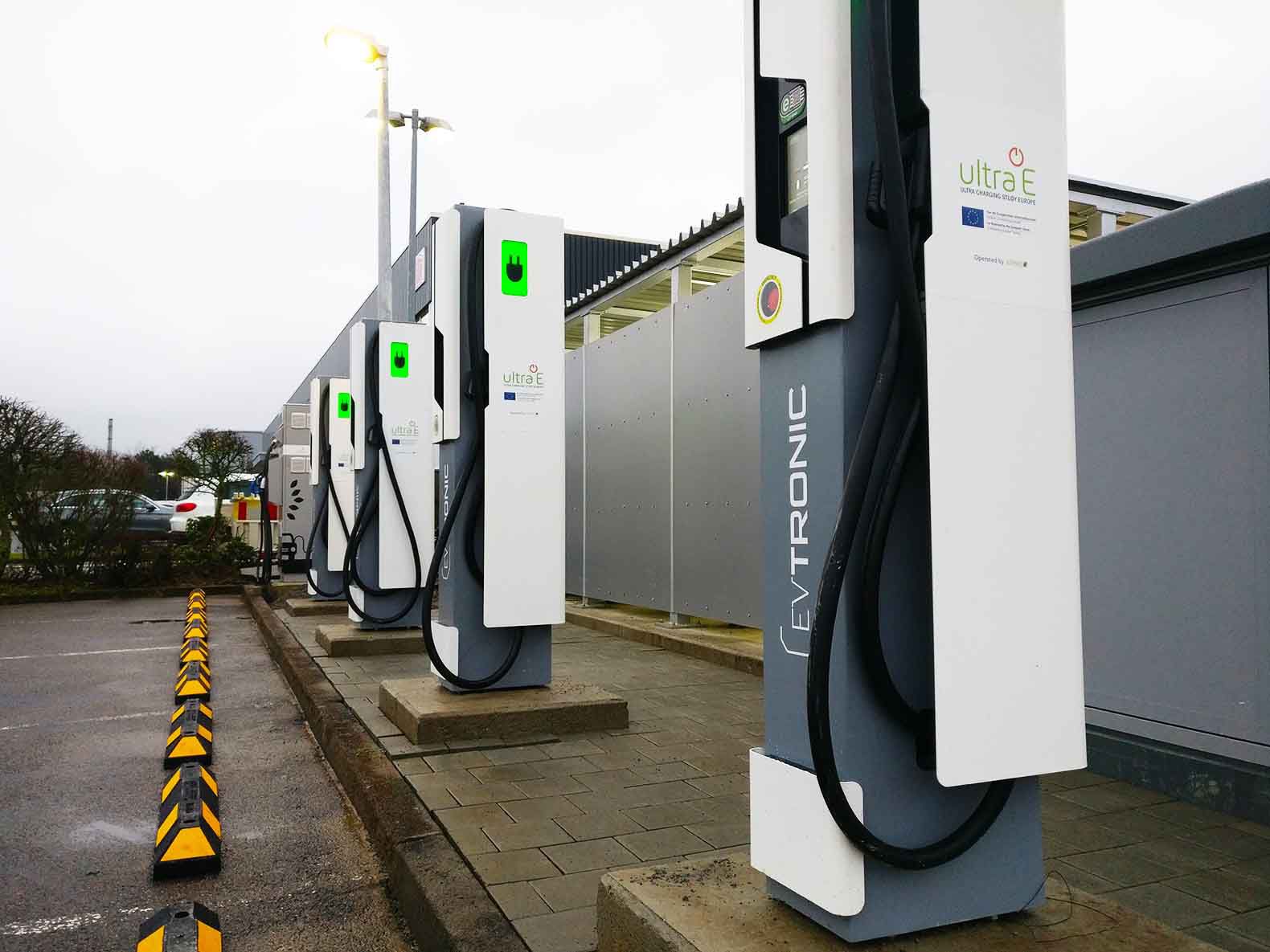
- Level 3 is commercial fast-charging infrastructure. It is not installed in homes.
Most Utah drivers who commute daily find Level 1 too slow for reliable overnight charging. Level 2 is the practical standard for home use across the state.
Is Your Home's Electrical Panel Ready for a Level 2 Charger?
Before buying any charger, your panel capacity needs checking. This step gets skipped too often.
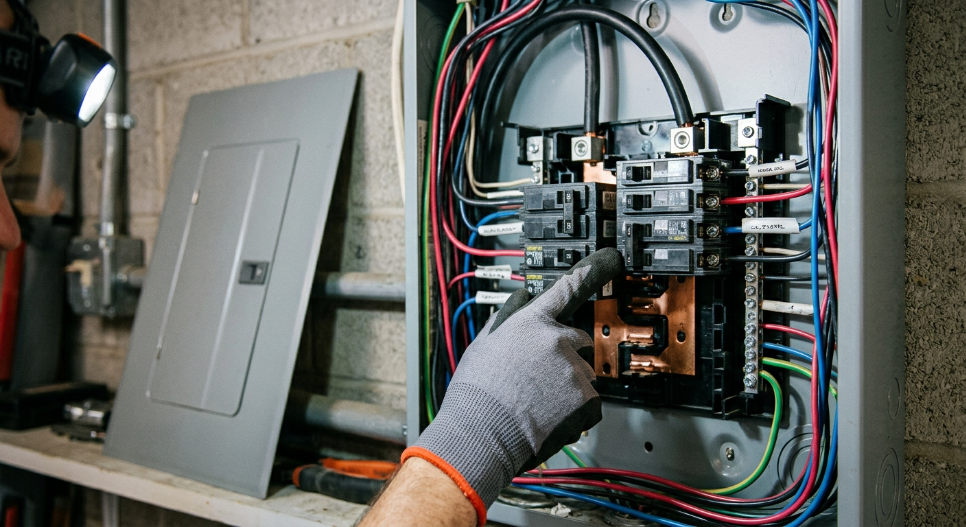
A Level 2 charger requires a dedicated 240-volt circuit. Most homes need a 40-amp or 50-amp breaker just for the charger. Older panels, or panels already near capacity, may need an upgrade first.
A licensed electrician should always confirm your panel’s available capacity. Skipping this step is the most common reason installations get delayed.
Permits and Code Compliance in Utah
Every EV charger installation in Utah requires an electrical permit. This applies to homes and businesses alike.
The permit process typically includes:
- Submitting an application to your local building authority
- Scheduling a rough-in inspection during installation
- Completing a final inspection once wiring is finished
- Confirming compliance with the National Electrical Code
Skipping permits can create real problems later, especially when selling your home. A qualified charging station installer handles this entire process for you.
Plug-In vs Hardwired: Which Charger Type Fits Your Home
Chargers come in two physical installation types. Each has real tradeoffs.
| Charger Type | Installation | Best For |
|---|---|---|
| Plug-In (NEMA 14-50) | Outlet-based, easier to relocate | Flexibility, portable chargers |
| Hardwired | Directly wired, no outlet | Cleaner setup, higher reliability |
Plug-in chargers offer flexibility if you might move the charger later. Hardwired chargers are often required by certain brands and offer a more permanent, secure connection.
The Federal EV Charger Tax Credit Has Expired
Homeowners researching EV chargers often expect a federal credit to apply. That credit is gone now.
Section 30C, the federal Alternative Fuel Vehicle Refueling Property Credit, expired on June 30, 2026. Installations completed after that date no longer qualify for this federal incentive.
Some state and utility rebate programs may still apply, depending on your provider and location. Always confirm current eligibility directly with your installer before assuming any incentive applies.
Charging at Home vs Commercial Charging Stations
Home charging and commercial charging solve different problems. Most owners eventually need both.
Home charging happens overnight, using your own dedicated circuit. It is reliable and available every day without waiting.
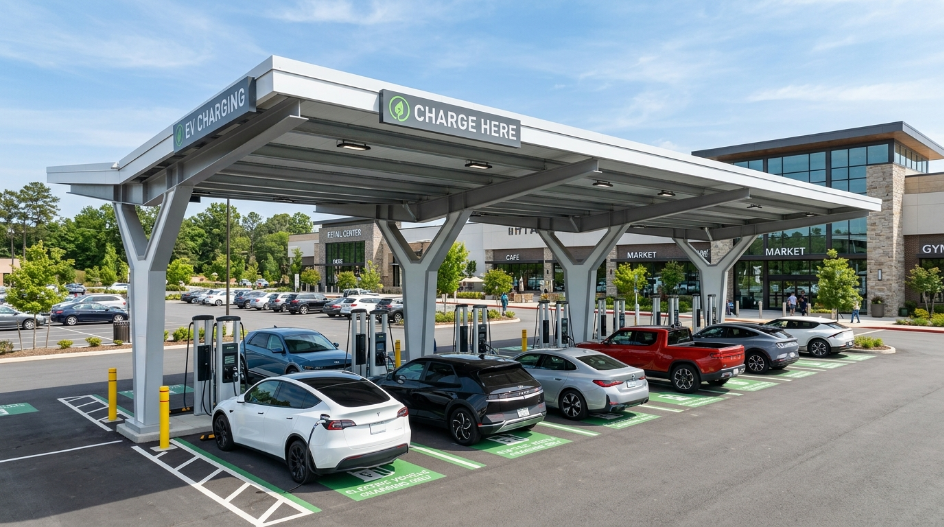
Commercial charging serves businesses, apartment complexes, and public locations. It supports multiple vehicles and higher daily usage. Suncatcher Energy provides both EV charging stations for businesses and standard home installations.
Pairing Your EV Charger With Solar and Battery Storage
Many Utah homeowners install an EV charger around the same time as solar. This pairing makes practical sense.
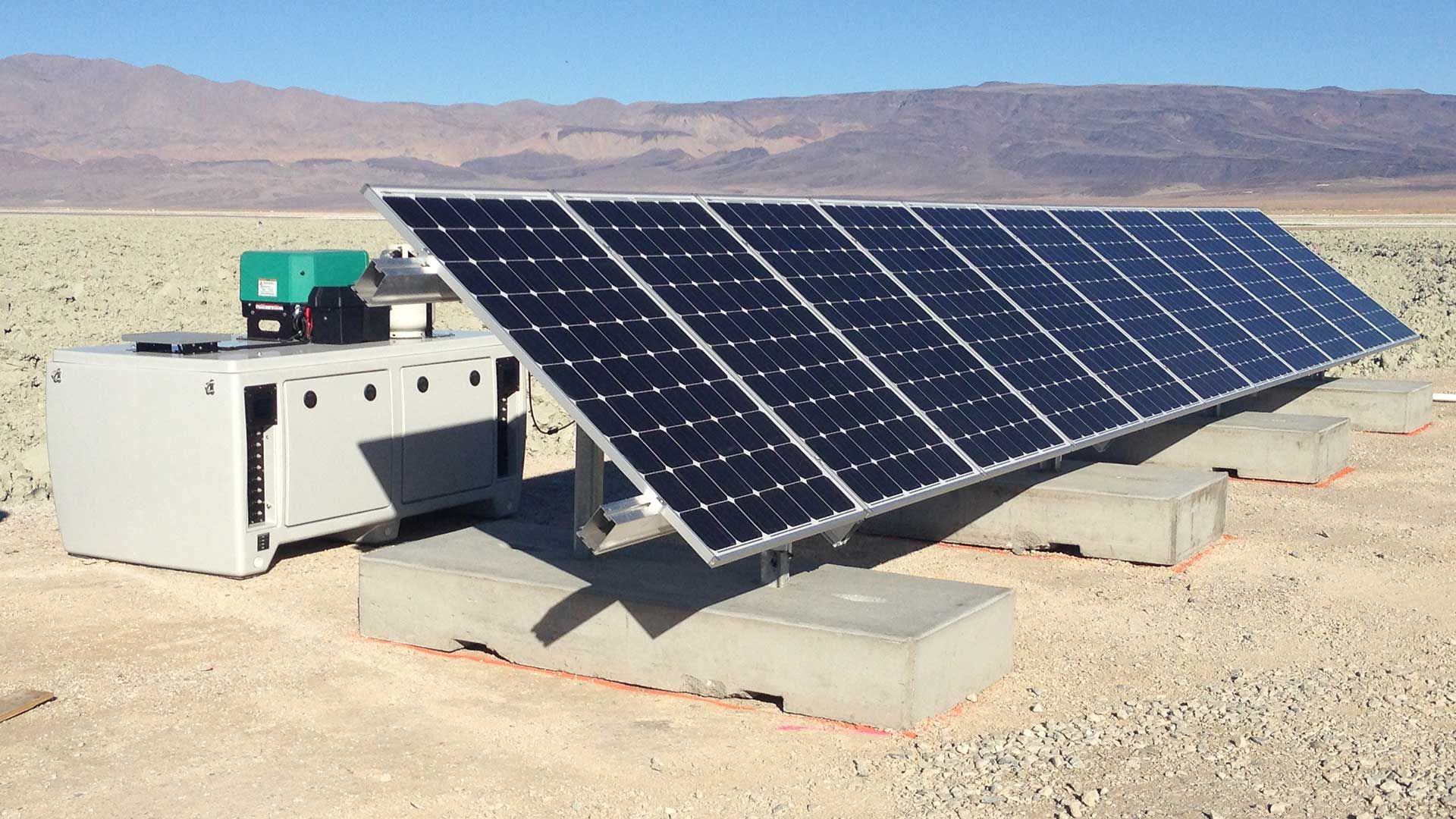
Charging your vehicle using your own solar production reduces strain on the grid. It also aligns with Utah’s net billing rules, which favor using your own power over exporting it. Our guide on solar batteries and microgrids explains how storage capacity affects charging schedules.
Homeowners planning both systems together should also review our guide on going solar in Utah before finalizing either installation.
Installing Your Charger: What to Expect
A typical residential installation follows a clear sequence.
- Electrical panel assessment and load calculation
- Charger selection based on vehicle and usage needs
- Permit filing with the local building authority
- Circuit installation and charger mounting
- Final inspection and system activation
Businesses and property owners can also explore available EV chargers for sale before committing to a specific brand or model.
Choosing the right EV charger comes down to your electrical panel, your daily driving needs, and how the installation fits into your broader home energy plan. Utah’s permit rules and the recent tax credit expiration make professional guidance more valuable, not less. Businesses and property owners can also review our commercial energy services for multi-unit charging needs. Suncatcher Energy installs EV charging solutions across Utah, from single-home garages to full commercial charging setups.
Frequently Asked Questions
Level 1 uses a standard 120-volt outlet and charges slowly. Level 2 uses a 240-volt dedicated circuit and charges significantly faster, making it the practical choice for daily use.
Yes. Every new 240-volt circuit installation requires an electrical permit and inspection under Utah building codes.
No. Section 30C expired on June 30, 2026. Some state or utility rebates may still apply depending on your provider.
No. A dedicated 240-volt circuit must be installed by a licensed electrician to meet safety and code requirements.
Not always. It depends on your existing panel capacity, which a licensed electrician can confirm during an assessment.