Solar energy is no longer just a homeowner decision in Utah. Businesses, schools, churches, and government buildings are adopting it too. Each organization type faces different rules, timelines, and considerations. This guide explains what matters most for institutions considering solar across Utah.
Why Institutions Are Turning to Solar
Organizations choose solar for reasons beyond electricity generation. Sustainability goals matter to boards, congregations, and school districts alike.
A visible solar installation also signals long-term commitment. Donors, students, and community members often respond positively to that signal. Reduced dependence on the grid supports operational resilience too, especially for facilities that cannot afford extended downtime.
Commercial Solar for Utah Businesses
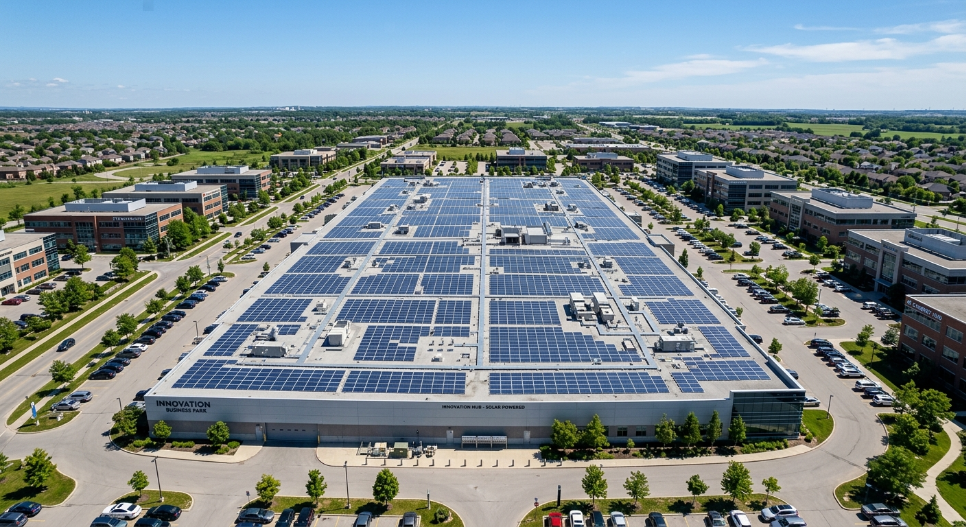
Businesses across Utah are increasingly adding solar to office buildings, warehouses, and parking structures.
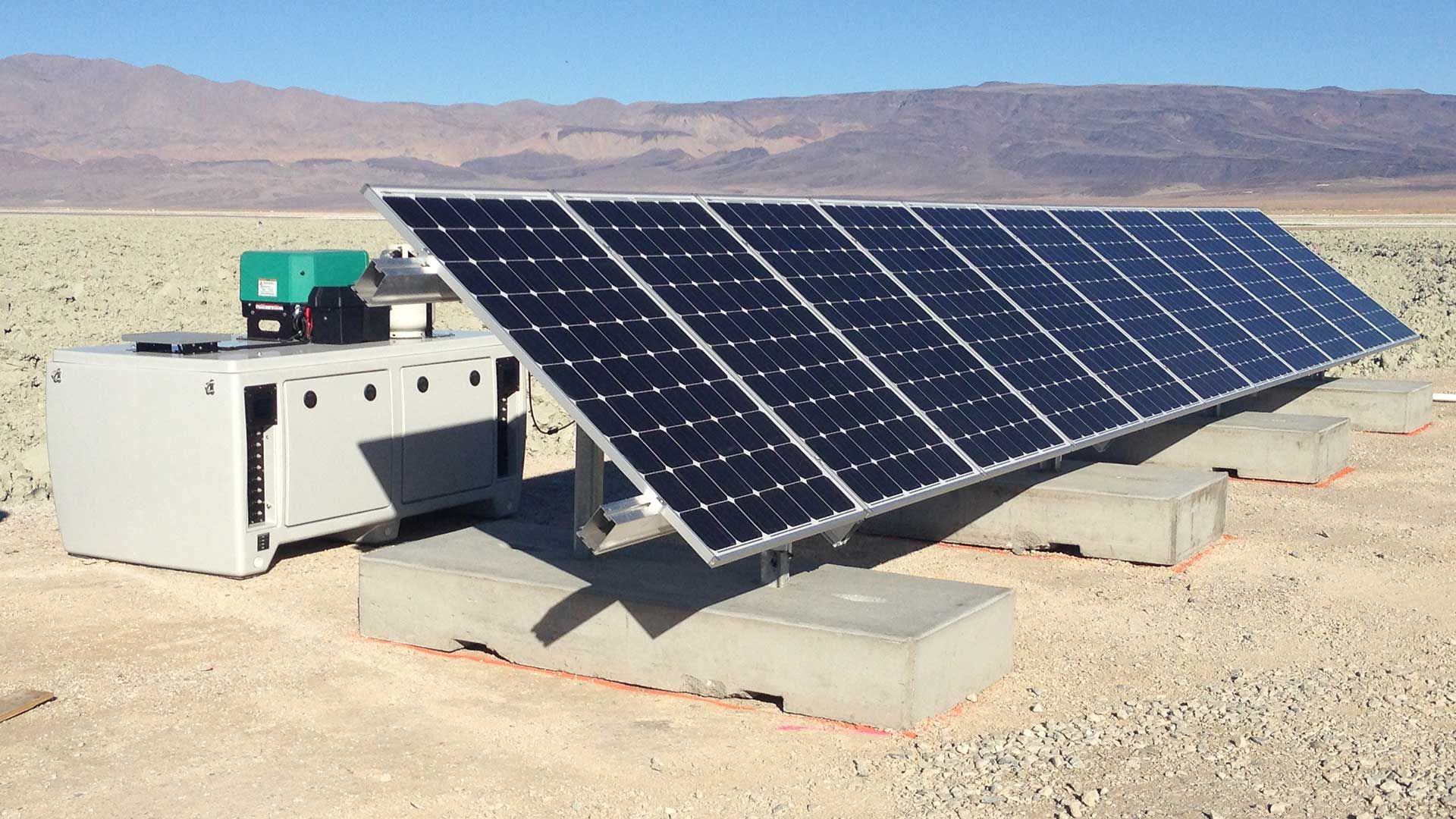
Commercial systems differ from residential ones in scale and design. Ground-mounted arrays, rooftop systems, and parking canopies are all common configurations. A qualified commercial solar services provider evaluates roof structure, electrical load, and future expansion plans before designing a system.
Commercial federal tax credits remain available through a later deadline than the residential program, giving businesses more planning time.
How Nonprofits Can Now Access Federal Solar Incentives
Nonprofits historically couldn’t use federal tax credits. They don’t pay federal income tax, so a tax credit had no value to them.
That changed under a provision called Direct Pay, also known as Elective Pay. It allows tax-exempt organizations to receive the value of a federal clean energy credit as a direct cash payment instead.
Eligible organizations include:
- 501(c)(3) nonprofits
- Houses of worship
- School districts
- Local and tribal governments
- Public hospitals and universities
This program has made solar realistically accessible for organizations that previously had no path to federal incentives at all.
Solar for Churches and Houses of Worship
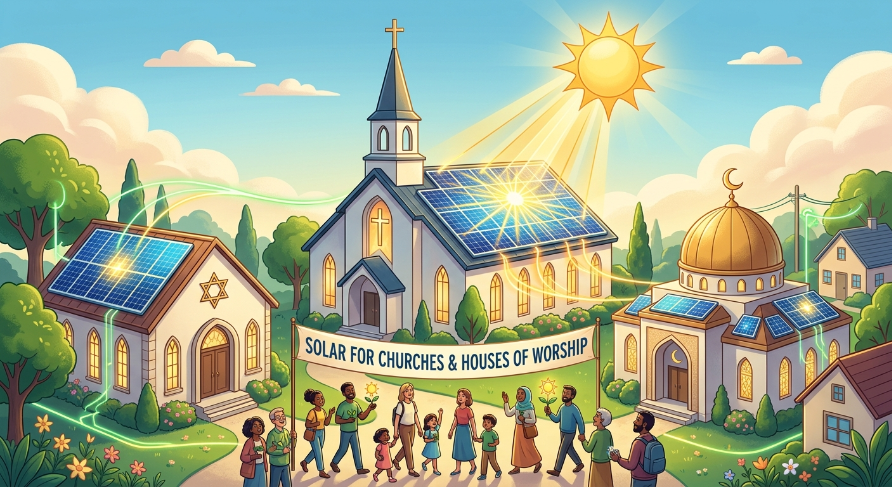
Houses of worship across Utah are increasingly exploring solar as part of their long-term facility planning.
Congregations often cite two motivations. Lower operating costs free up funds for programs and outreach. A visible clean-energy commitment also reflects stewardship values many congregations already hold.
Suncatcher Energy designs solar panels for churches with attention to building aesthetics and historic preservation considerations where relevant.
Bringing Solar to Utah Schools
Utah school districts have installed solar systems on elementary schools, middle schools, and university campuses across the state. These projects often double as educational tools, giving students direct exposure to renewable energy in action.
Ballast roof mounts and parking lot canopies are common choices for school campuses. Both preserve usable outdoor space while generating power.
Our solar solutions for schools page covers design considerations specific to educational facilities, including safety and maintenance access.
Government Buildings and Public Facilities
Government buildings face unique procurement and compliance requirements. Public funding rules, competitive bidding, and reporting obligations all shape how these projects move forward.
Direct Pay applies to government entities the same way it applies to nonprofits. This has opened new possibilities for municipalities and public agencies previously unable to benefit from federal credits.
Suncatcher Energy supports government solar system installation projects through every stage of compliance and design.
Shared Solar: SolShare for Multi-Tenant and Community Buildings
Not every building has ideal roof space or single ownership. Apartments, multi-family housing, and shared facilities face a different challenge entirely.
SolShare solar solutions address this directly. This model allows multiple users to draw power from a single, centrally managed solar system. It works well for community buildings, government-owned housing, and multi-tenant properties where individual installations aren’t practical.
Key Deadlines Every Organization Should Know
Federal solar incentives for commercial and institutional projects follow specific construction deadlines. Missing them can affect eligibility entirely.
| Requirement | Deadline |
|---|---|
| Begin construction | July 4, 2026 |
| Complete and place in service | December 31, 2027 |
| Safe harbor extension window | Available for qualifying projects |
These dates apply broadly across business, nonprofit, and government solar projects. Confirm your specific timeline directly with a qualified contractor, since documentation requirements have grown more detailed recently.
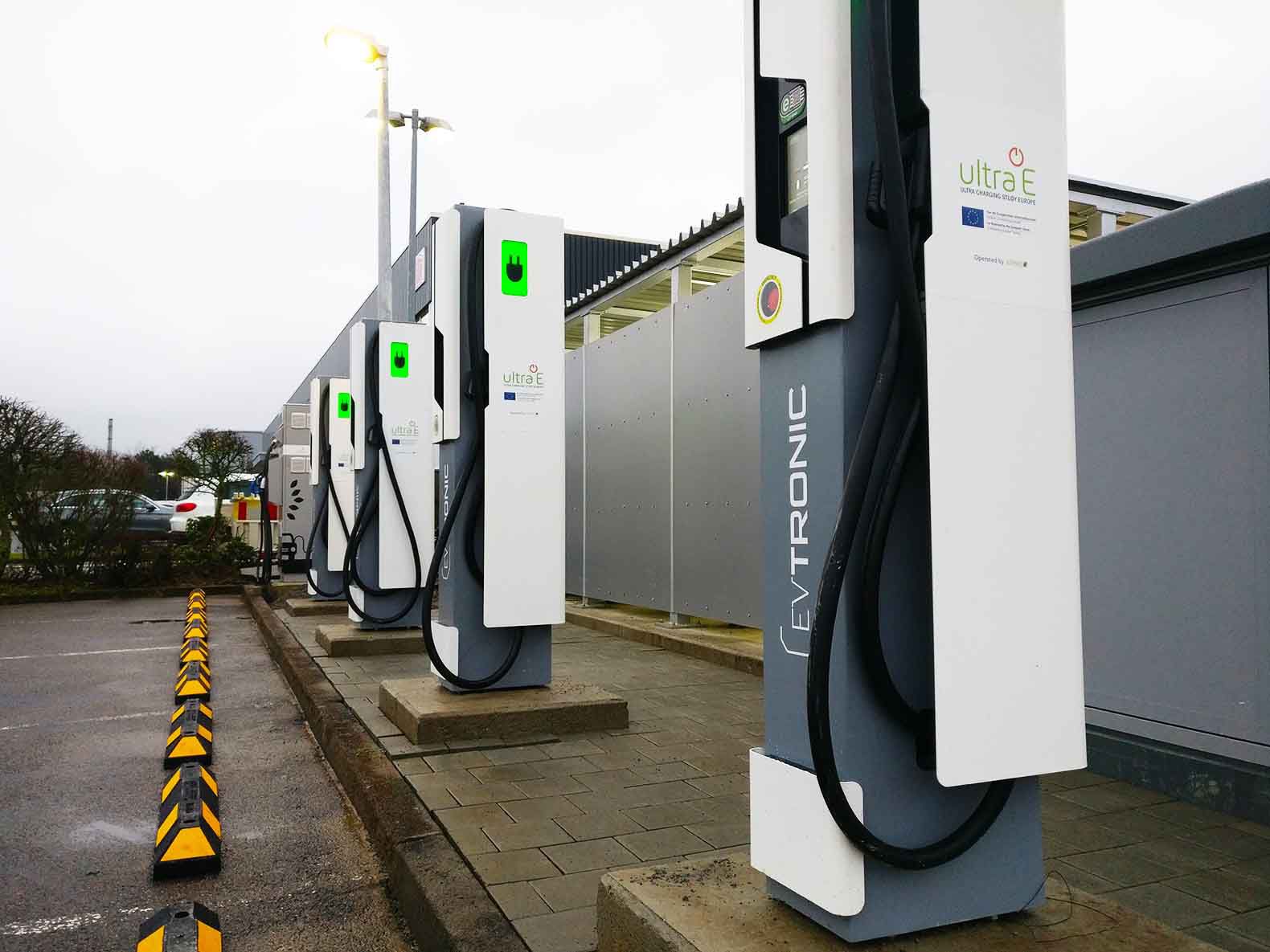
Solar adoption among Utah organizations is accelerating, driven by new access to federal incentives and growing sustainability priorities. Whether you lead a business, a congregation, a school district, or a government office, the path to solar now looks different than it did even two years ago. Organizations that also operate vehicle fleets may find our guide on EV charger installation in Utah useful for broader energy planning. Suncatcher Energy works with Utah organizations of every size to design solar systems that fit their mission, their building, and their compliance requirements.
Frequently Asked Questions
Yes. Through Direct Pay, also called Elective Pay, eligible tax-exempt organizations receive the credit value as a direct payment from the IRS instead of a tax deduction.
Churches follow the same commercial permitting process as other institutional buildings, though historic buildings may require additional review.
SolShare is a shared solar model that lets multiple users draw power from one centrally managed system, ideal for apartments and multi-tenant buildings.
Yes. Projects generally need to begin construction by a set federal deadline and be placed in service within a following window to maintain full eligibility.
Yes, government entities qualify for Direct Pay in the same way nonprofits do, since neither pays federal income tax.